
Shipping & delivery

Personalisable
Shubh Aarambh Lit Laxmi Ganesh Mandir Frame — Preserved Moss Wall Shrine, 8"
A lit Laxmi Ganesh wall mandir that turns one corner of a home or an office into
a small permanent shrine. Real preserved moss and flowers sit behind a carved
jali arch, and concealed warm lighting glows out through the lattice after dark.
No watering, no sunlight, no upkeep — it stays exactly this green for years.
Rs. 5,099
Estimated delivery by —
Secure checkoutUPI · Cards · NetbankingGST invoiceDamage-free promise
Ordering 25+ for your team? Get bulk pricing →

Rs. 5,099
Hand-packed in Kolkata
Every ribbon tied by a person, not a machine
Free personalisation
Name, note & card included on every order
Damage-free promise
Broken in transit? We reship free, no questions
02 · Good to Know
Before you gift it
Everything worth knowing — sizes, shelf life, branding, shipping — in one place.
Product details
Description
Specifications
- Overall Size - 8" x 8" x 2"
- Frame Material - MDF with dark walnut finish
- Frame Detailing - Laser-cut jali lattice with scalloped mehrab arch and swastik motif
- Idols - Gold-toned metal Lakshmi and Ganesha on a raised plinth
- Interior - Preserved reindeer moss with assorted preserved flowers
- Lighting - Concealed warm-white LED, powered by DC cable
- Mounting - Sawtooth hook on back panel; also stands on a flat surface
- Botanical Life - 3+ years indoors with correct placement
- Maintenance - No watering, no sunlight, no live-plant care
- Use - Indoor only
Perfect for
Additional information
Please note
Bulk & branding
From 25 units: logo on the box, branded ribbon and a custom card. GST invoice on every business order — see corporate gifting for tiers and sampling.
Care & sustainability
The keepsake box is reusable and all packaging is plastic-free kraft and cloth. Explore the full eco-friendly gift range.
You May Also Like
More stories to gift
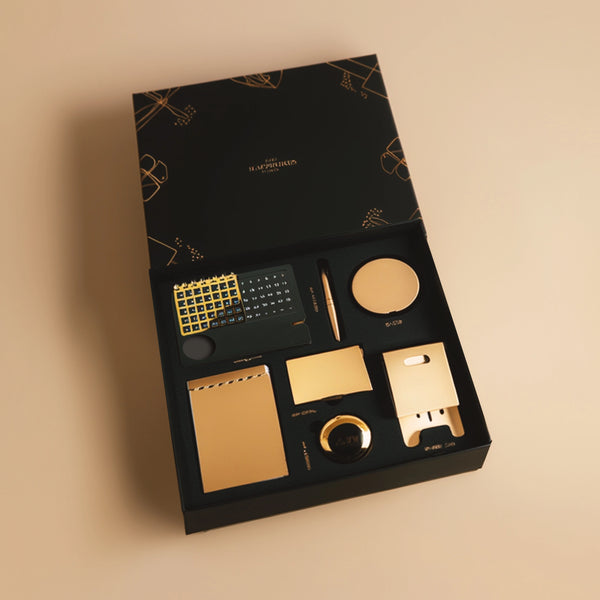
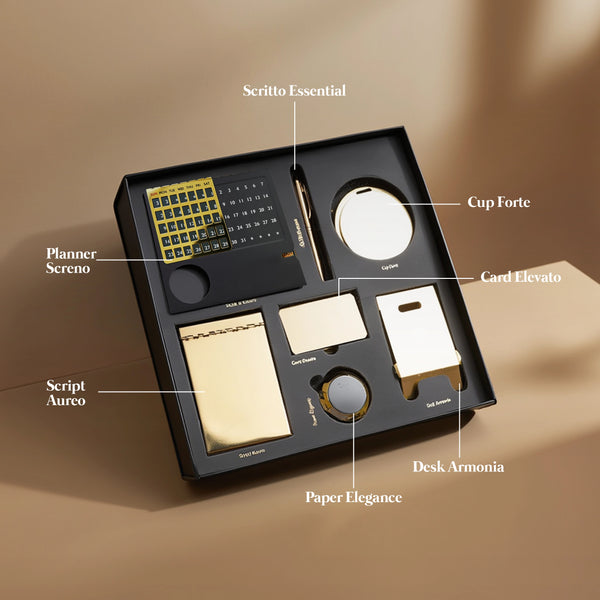
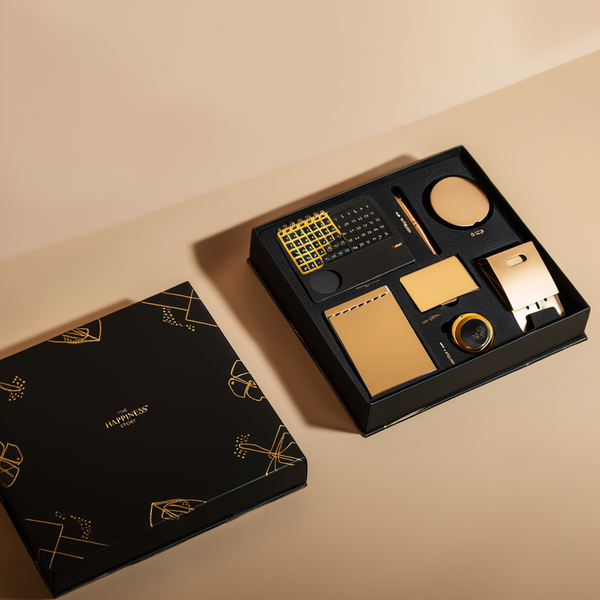
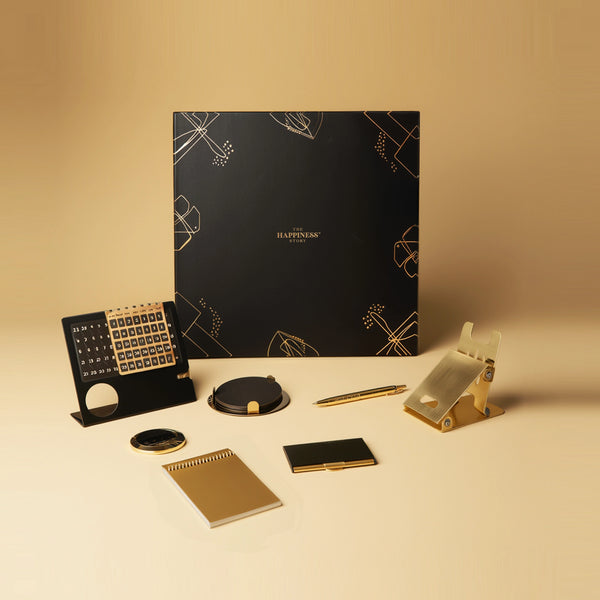

Signature Box
The Signature Box by The Happiness Story is a thoughtfully curated premium...
Rs. 3,999 Rs. 4,999
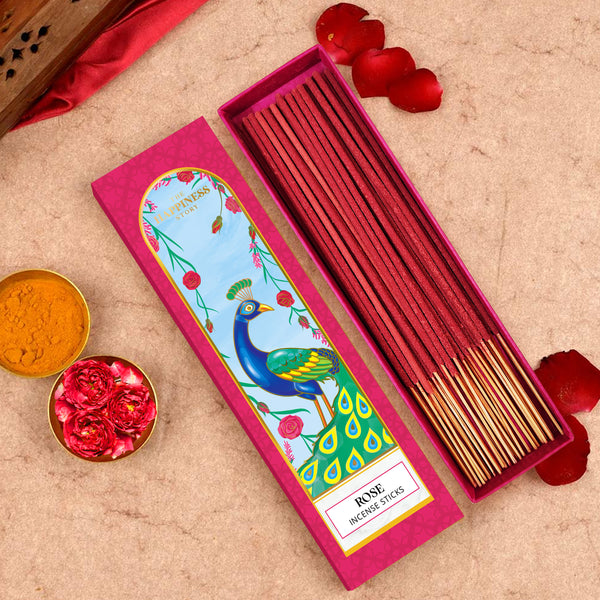
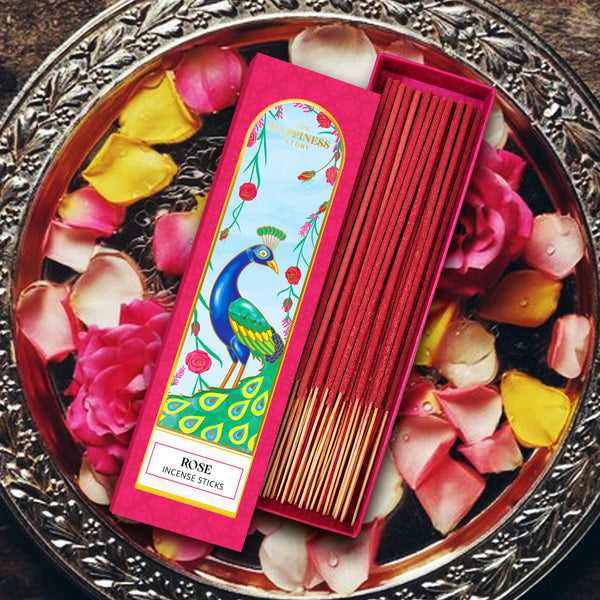
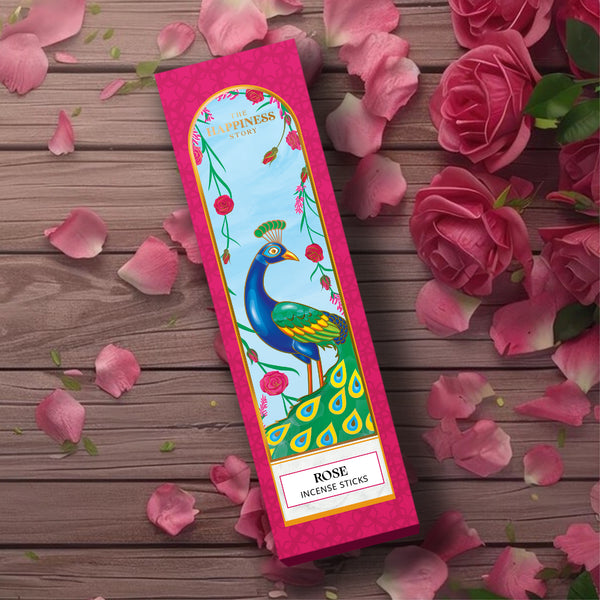
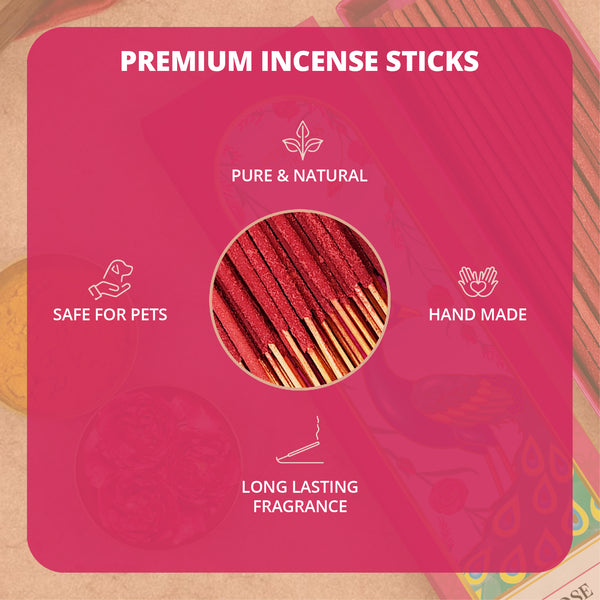
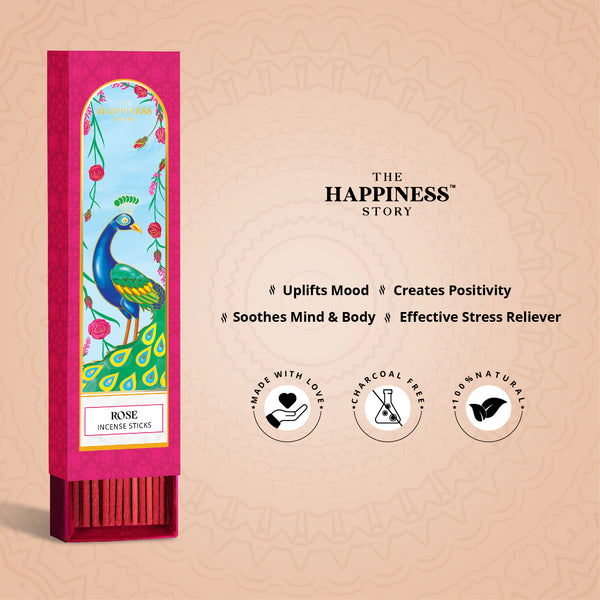

Rose Incense Sticks
Enhance your mindfulness and relaxation with our Rose Incense Sticks. Made with...
Rs. 199
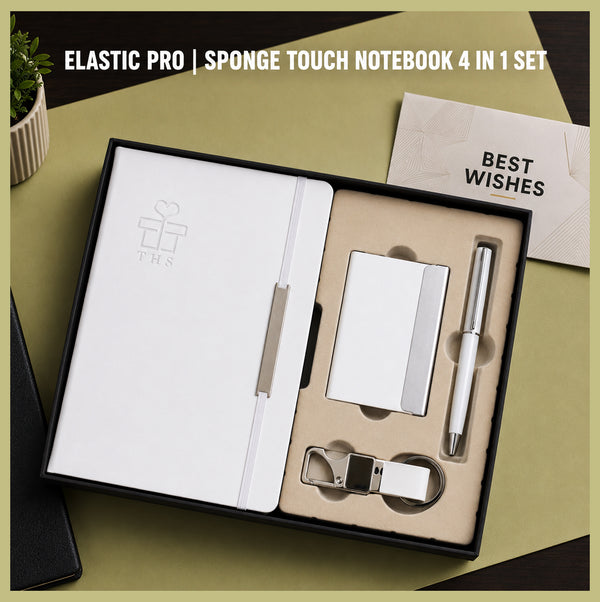
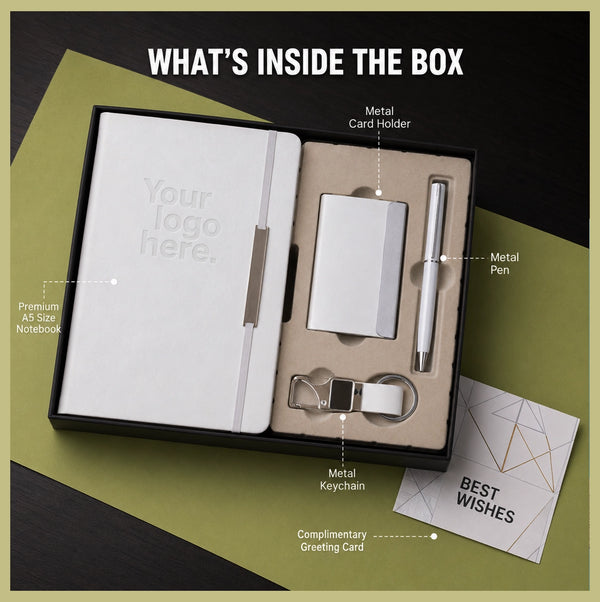
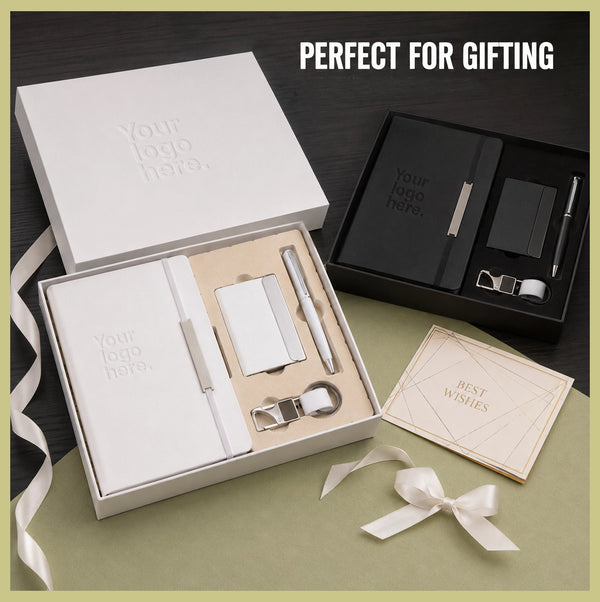
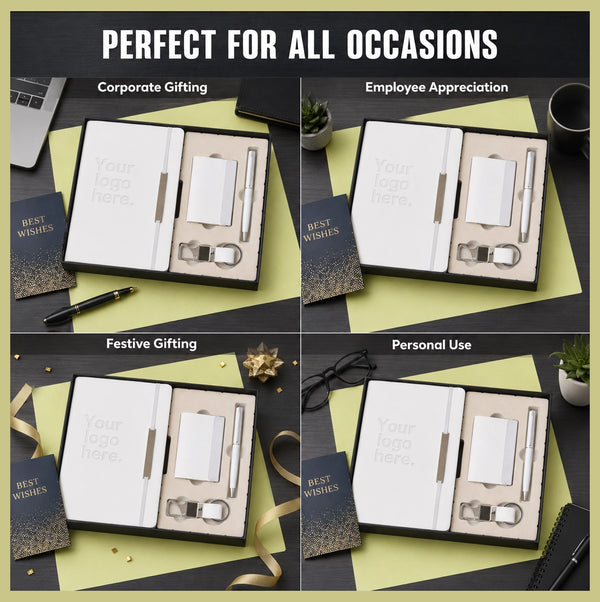

Elastic Pro — Employee Welcome Kit in 5 Colours | Sponge-Touch Notebook, Pen, Card Holder & Keychain
1. The Employee Welcome Kit That Matches Your Brand Colour Five colourways...
Rs. 1,329
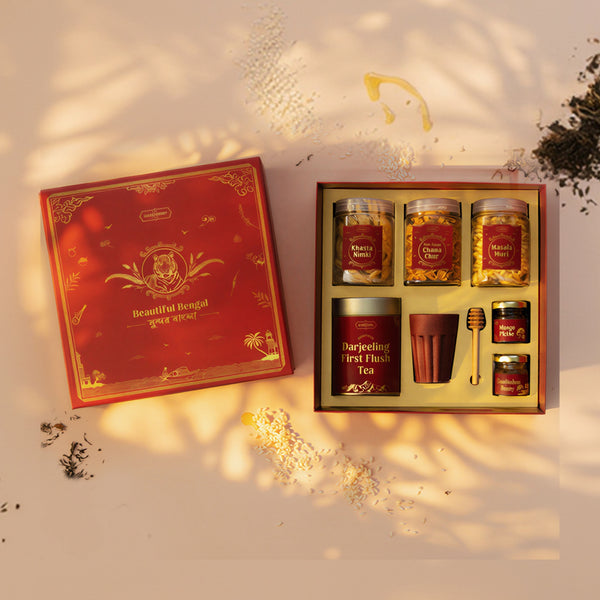
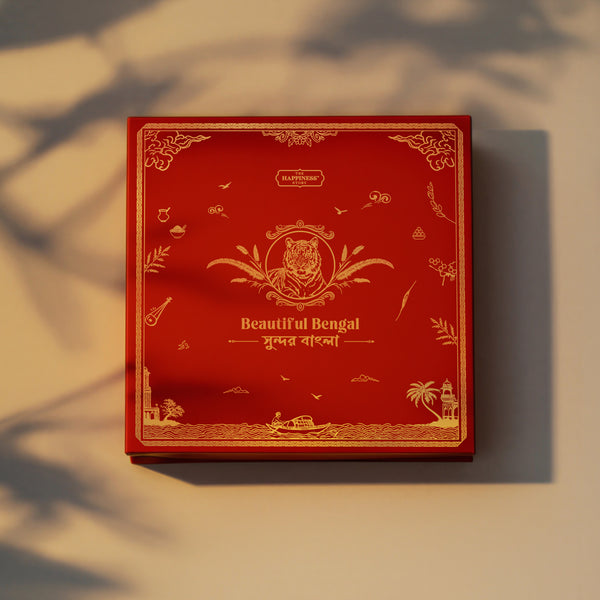
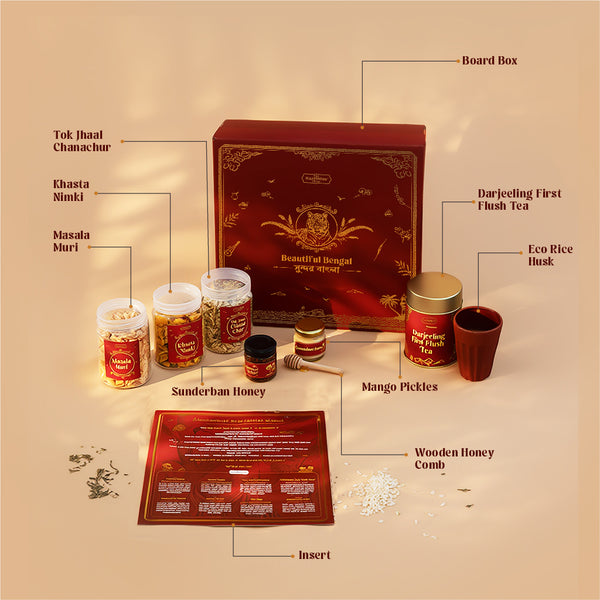
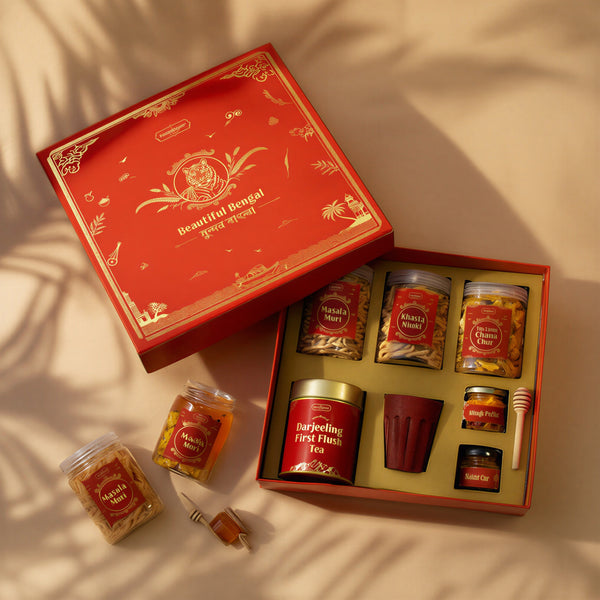

The Beautiful Bengal Box — Bengali Gift Hamper from Kolkata | Darjeeling First Flush, Sunderban Honey, Nimki, Chanachur, Aam Achar & Eco Cup
What makes The Beautiful Bengal Box different from any other gift hamper...
Rs. 999 Rs. 1,499
Recently Viewed