
Shipping & delivery
PersonalisableSale
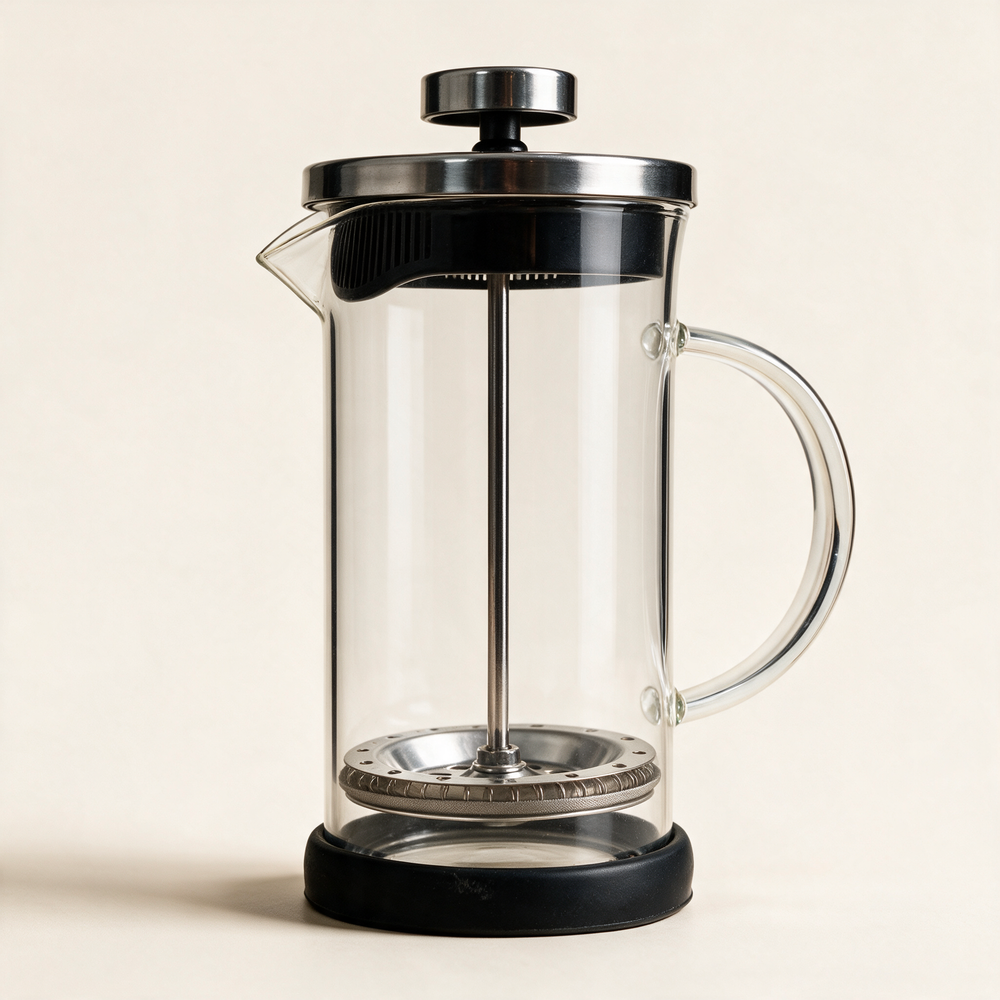
Glass French Press for Tea & Coffee — Borosilicate Carafe, Fine Mesh Filter
A glass press that brews loose leaf tea as well as coffee — three-stage mesh
filtration, moulded glass handle, no plastic in the carafe. No electricity, no
capsules. A gift for slow mornings.
Rs. 999
Rs. 1,299
23% OFF
Save Rs. 300
Estimated delivery by —
Secure checkoutUPI · Cards · NetbankingGST invoiceDamage-free promise
Ordering 25+ for your team? Get bulk pricing →

Rs. 999Rs. 1,299
Hand-packed in Kolkata
Every ribbon tied by a person, not a machine
Free personalisation
Name, note & card included on every order
Damage-free promise
Broken in transit? We reship free, no questions
02 · Good to Know
Before you gift it
Everything worth knowing — sizes, shelf life, branding, shipping — in one place.
Product details
Description
Specifications
- Carafe - Clear glass with moulded glass handle
- Handle - Formed as part of the carafe, no metal or plastic frame
- Lid - Stainless steel ring with rotating pour gate
- Capacity - 350ml
- Filter - Three-stage: perforated pressure plate, fine mesh discs, spiral mesh skirt
- Plunger - Stainless steel rod with steel knob
- Base - Silicone protective ring
- Assembly - Fully dismantles for cleaning, no tools needed
- Power - None required
- Brews - Loose leaf tea, coarse ground coffee, cold brew
Perfect for
Additional information
Please note
Bulk & branding
From 25 units: logo on the box, branded ribbon and a custom card. GST invoice on every business order — see corporate gifting for tiers and sampling.
Care & sustainability
The keepsake box is reusable and all packaging is plastic-free kraft and cloth. Explore the full eco-friendly gift range.
For procurement & HR
Corporate gifting at a glance
The facts a buyer needs before asking for a quote — the same on every page.
- Minimum order
- Bulk pricing starts at 25 units and steps down with quantity. Smaller runs are possible on ready-to-ship pieces; leadership and key-client orders of ten or fewer are common.
- Branding
- One-colour logo print on bottles, mugs, notebooks and mouse pads; engraving on bamboo, cork and wood; box, sleeve, ribbon and card branding on hampers. Artwork goes to a digital mock-up before anything is printed.
- Dispatch and lead time
- Ready-to-ship pieces dispatch within 24–48 hours of payment. Branded, engraved or personalised runs carry a production window that is confirmed with the quote — share the delivery date first.
- Samples
- A physical sample of any hamper or branded piece can be sent before the run is confirmed. Allow about a week for sampling inside the timeline.
- Payment and invoicing
- Orders are prepaid. Every order ships with one GST invoice with HSN codes, covering all units and all delivery addresses.
- GST treatment of gifts
- A GST invoice is issued on every order. Input tax credit on goods given away as gifts is blocked under Section 17(5)(h) of the CGST Act; gifts to an employee up to ₹50,000 in a financial year are not treated as a supply. Confirm the treatment for your case with your CA.
- Delivery coverage
- Tracked delivery across India to offices or to individual employee and client homes; multi-address dispatch is quoted by address count. International corporate programmes are handled on enquiry with the destination list.
You May Also Like
More stories to gift
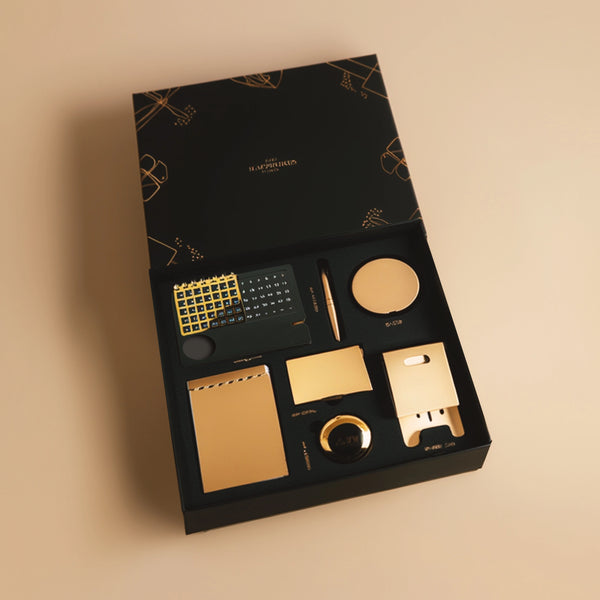
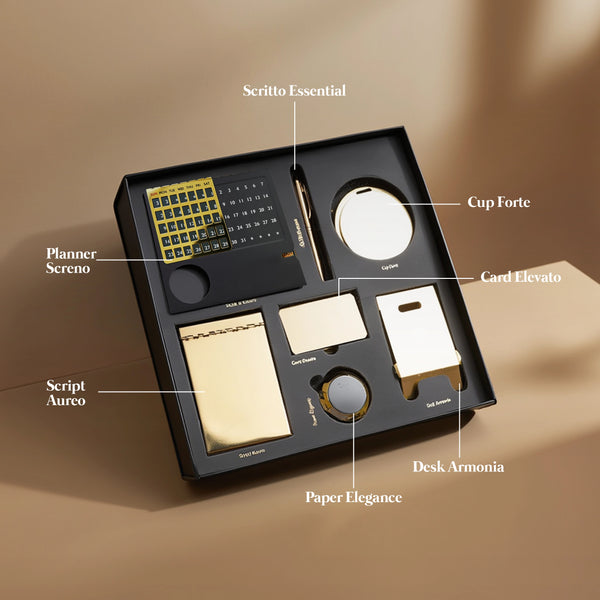
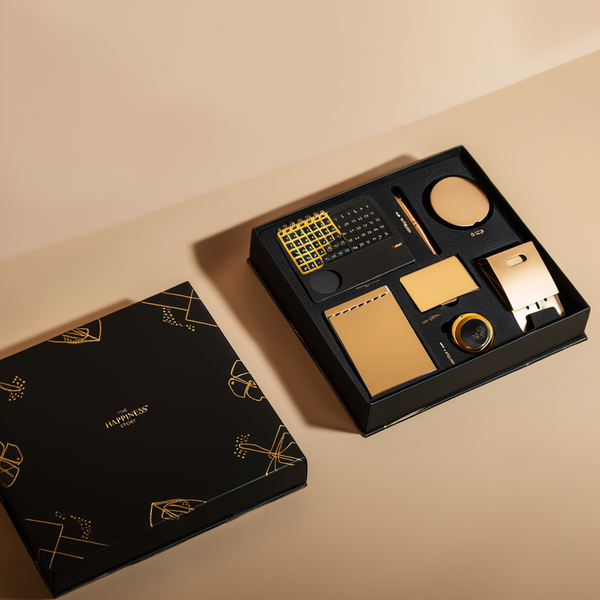
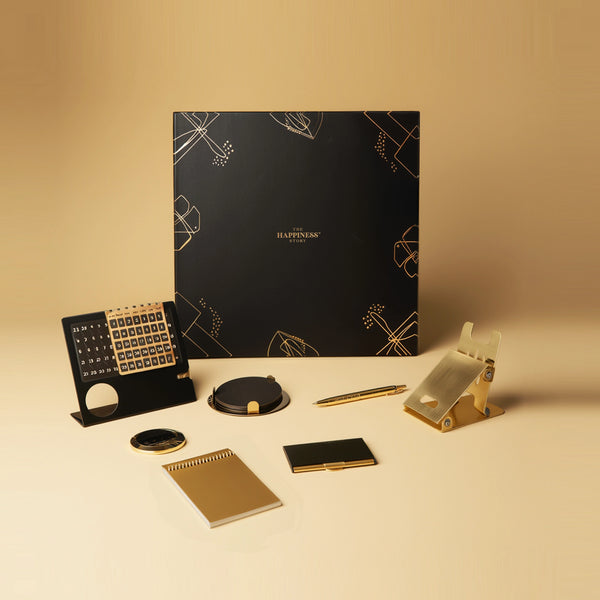

Signature Box
The Signature Box by The Happiness Story is a thoughtfully curated premium...
Rs. 3,999 Rs. 4,999
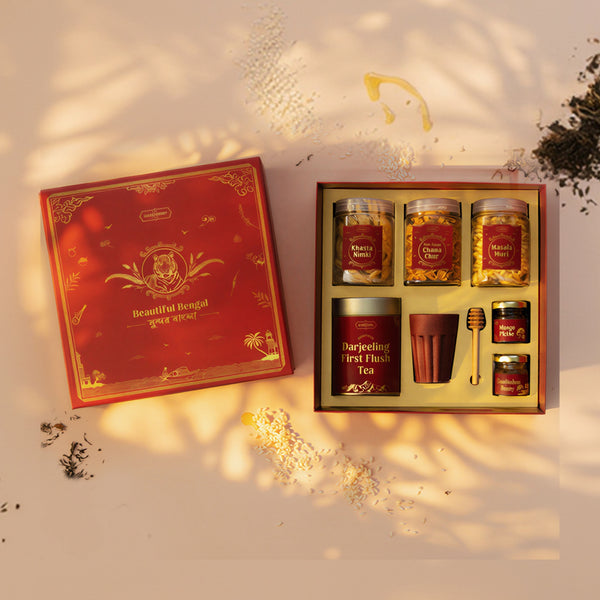
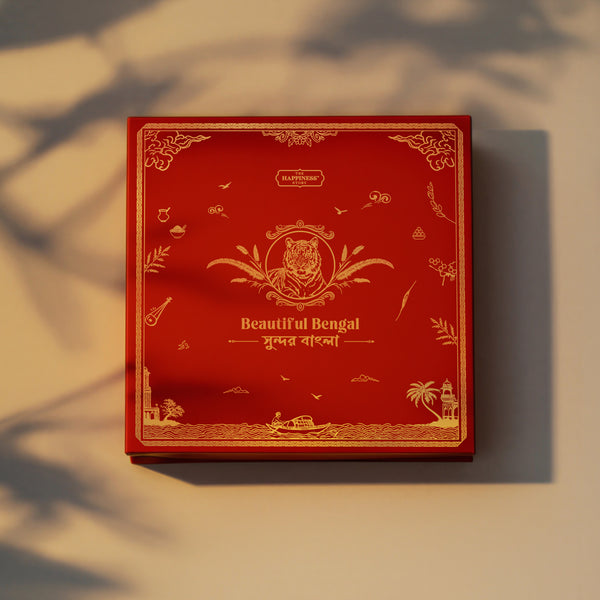
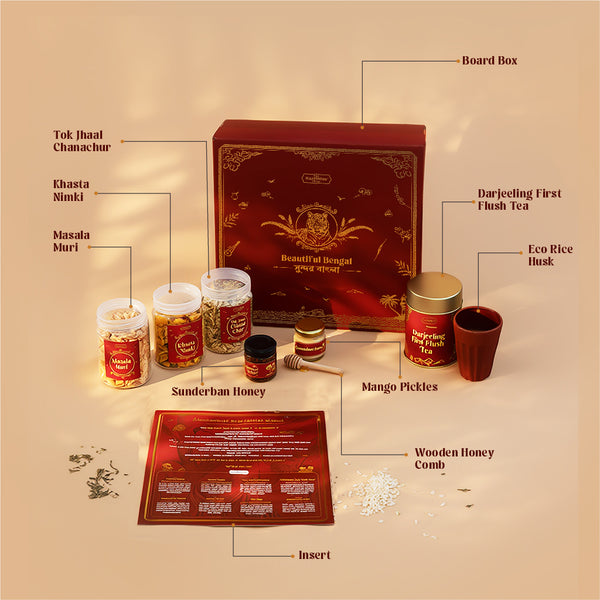
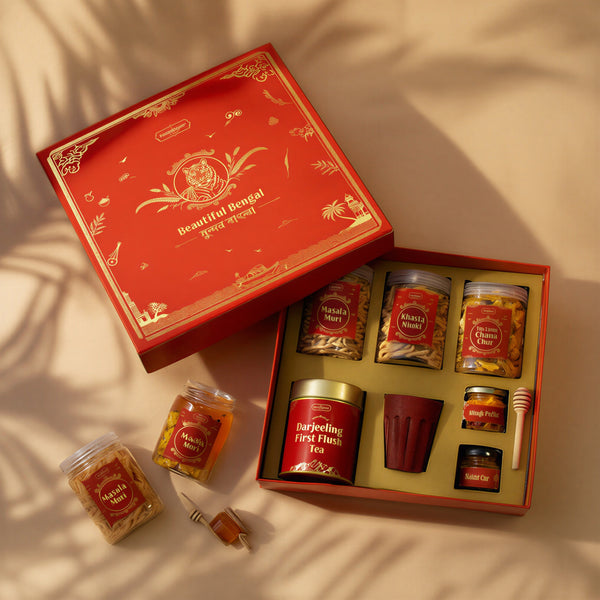

The Beautiful Bengal Box — Bengali Gift Hamper from Kolkata | Darjeeling First Flush, Sunderban Honey, Nimki, Chanachur, Aam Achar & Eco Cup
What makes The Beautiful Bengal Box different from any other gift hamper...
Rs. 999 Rs. 1,499
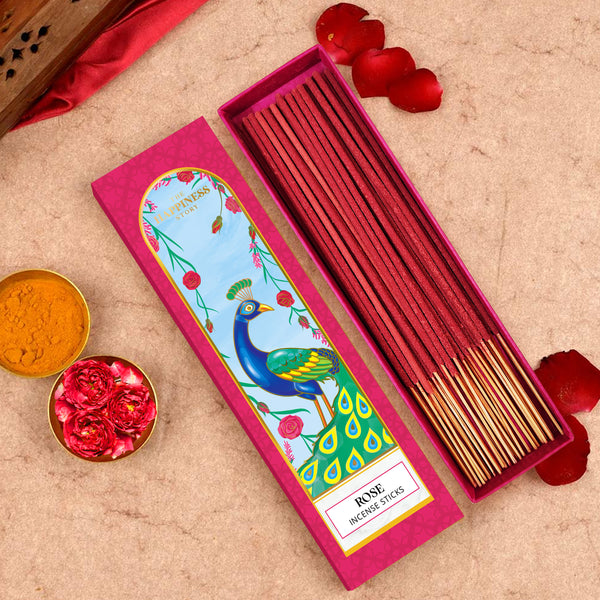
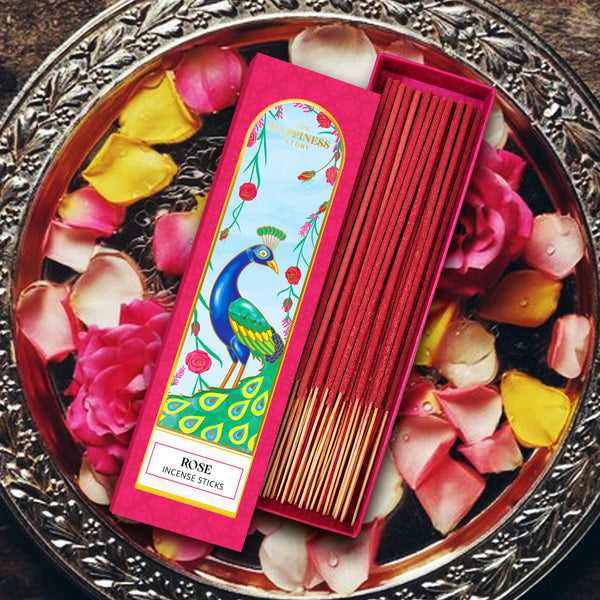
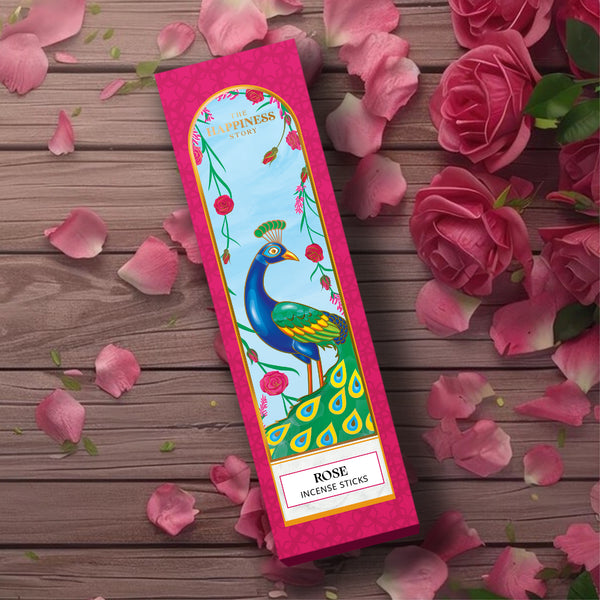
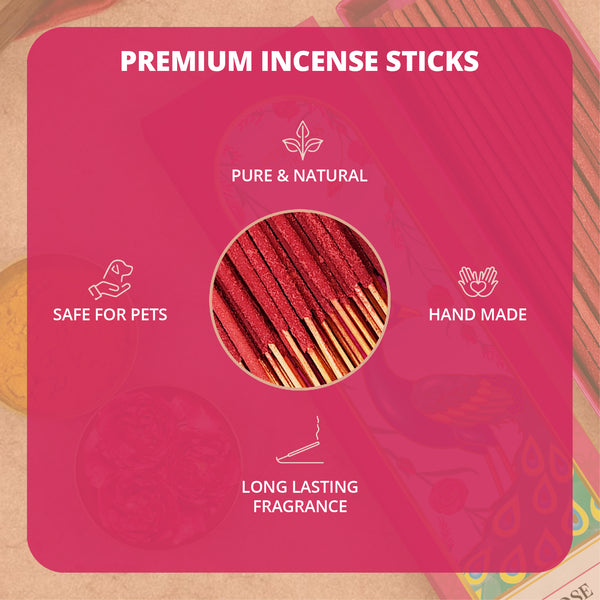
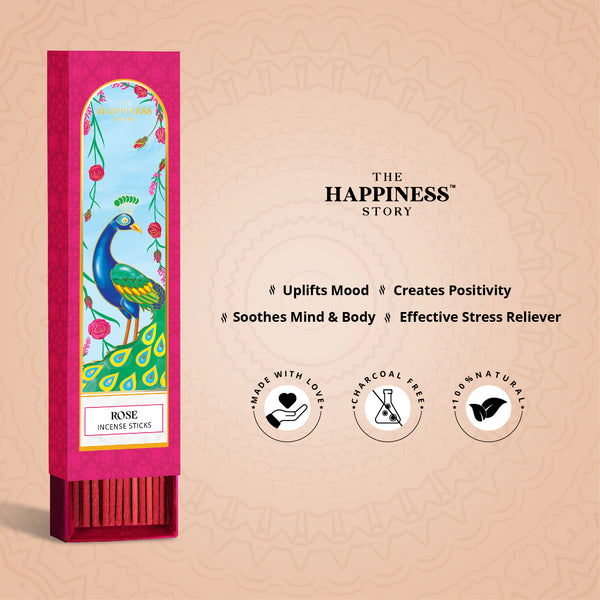

Rose Incense Sticks
Enhance your mindfulness and relaxation with our Rose Incense Sticks. Made with...
Rs. 199
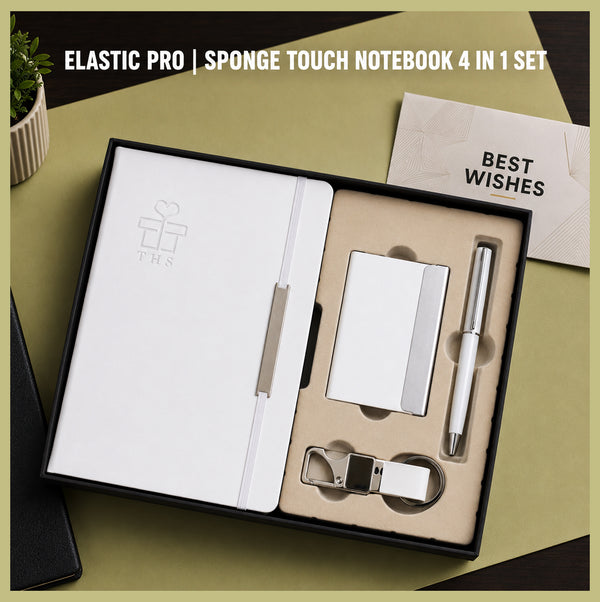
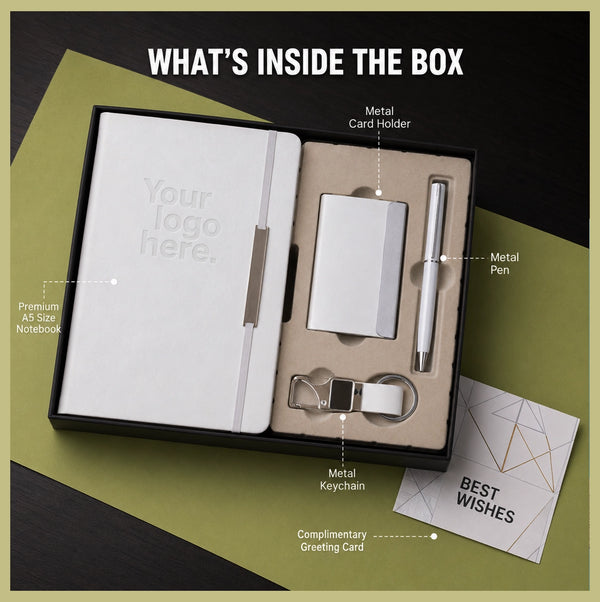
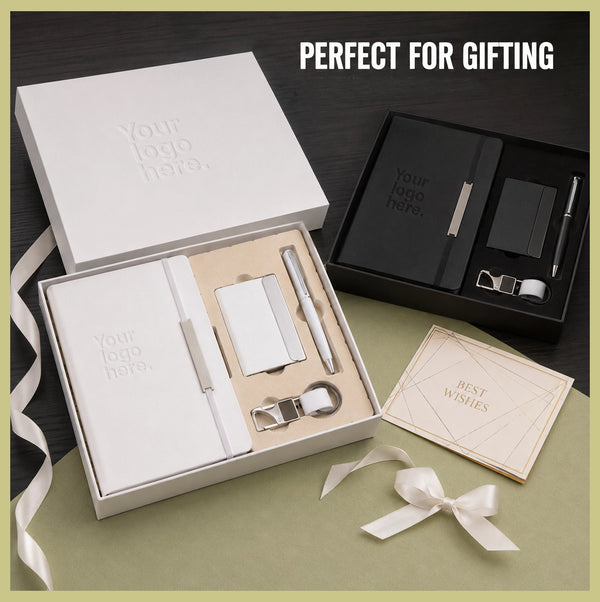
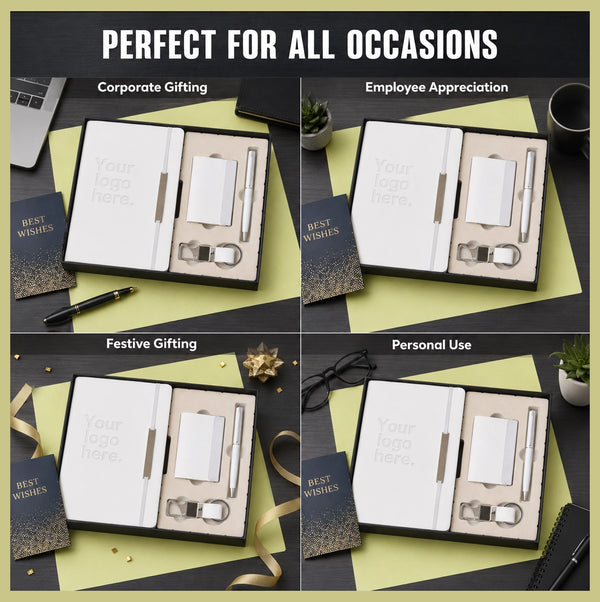

Elastic Pro — Employee Welcome Kit in 5 Colours | Sponge-Touch Notebook, Pen, Card Holder & Keychain
1. The Employee Welcome Kit That Matches Your Brand Colour Five colourways...
Rs. 1,329
Recently Viewed