
Shipping & delivery
Personalisable
Shagun — Diwali Potli Gift Hamper | Almonds, Cashews, Pista, Chocolates & 2 Hand-Painted Diyas
The Diwali gift under 500 that does not look like one
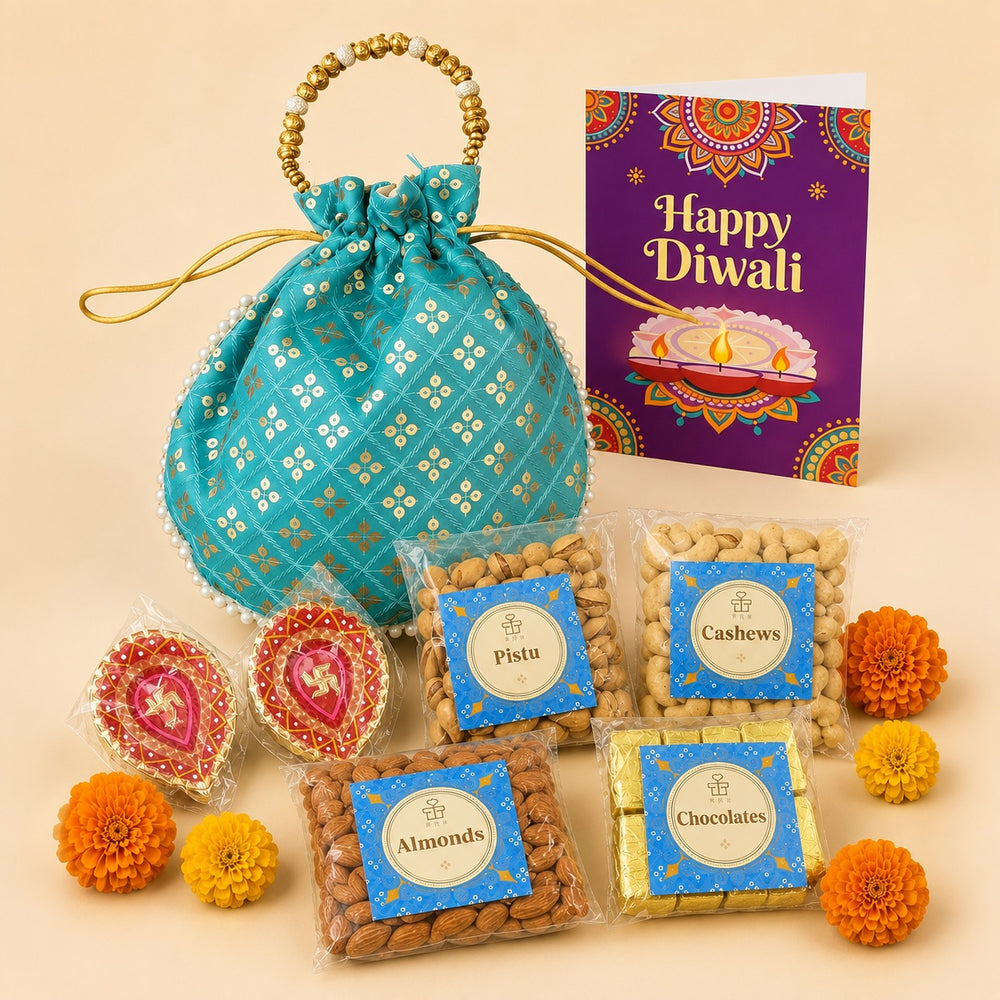
Almost every Diwali gift in this bracket arrives in something the recipient throws away — a printed carton, a cellophane sleeve, a thin drawstring pouch with a raw seam inside. Ten minutes after it is opened, the packaging is in the bin and only the food is left. This one arrives in a hand-stitched potli: turquoise satin under a gold foil print, a pearl-bead trim running the whole way round the base, and a rigid handle strung with gold and pearl beads. It goes to the next wedding on somebody's wrist.
Inside it, the part everybody expects, done properly. Fifty grams each of almonds, cashews and pistachios — sealed and labelled separately rather than tipped into one mixed tray — ten foil-wrapped chocolates, and two hand-painted diyas for the doorway on the night. A Diwali card goes in with them.
It is built for the list rather than for the one gift: the team, the housekeeping staff, the security desk, the vendors, the twenty-odd people you owe something to and cannot spend an evening shopping for. Every one of them gets something that does not look like it was bought in bulk — which is the whole problem with gifting at this price, and the only reason this hamper exists.
Rs. 499
Estimated delivery by —
Secure checkoutUPI · Cards · NetbankingGST invoiceDamage-free promise
Ordering 25+ for your team? Get bulk pricing →

Rs. 499
Hand-packed in Kolkata
Every ribbon tied by a person, not a machine
Free personalisation
Name, note & card included on every order
Damage-free promise
Broken in transit? We reship free, no questions
02 · Good to Know
Before you gift it
Everything worth knowing — sizes, shelf life, branding, shipping — in one place.
Product details
Description
What's inside
Specifications
- Potli bag - One hand-stitched drawstring potli in turquoise satin-weave fabric with a gold foil diamond-lattice print and sequin work
- Potli trim - Pearl-bead trim around the full base seam, rigid ring handle strung with gold-tone metal and pearl beads, twin satin drawstring cords with a gold-tone cone tassel
- Almonds - 50g, whole, sealed in a clear pack with a printed label
- Cashews - 50g, whole, sealed in a clear pack with a printed label
- Pistachios - 50g, in shell, sealed in a clear pack with a printed label
- Chocolates - 10 pieces, foil-wrapped, sealed in a clear pack with a printed label
- Diyas - 2 pieces, hand-painted, each sealed in its own clear sleeve
- Greeting card - One printed Diwali greeting card, supplied inside the potli
- Packaging - The potli is the packaging; no box, tray, foam insert or shred filler is used
- Allergens - Contains tree nuts: almonds, cashews and pistachios. The chocolate composition has not been specified to us, so ask before ordering if allergies are a concern
- Dispatch - Ready to ship
- Personalisation - The greeting card carries your message and mark; the potli fabric does not take a print
- Pricing - Bulk pricing shared on request once quantity, branding requirement and delivery date are confirmed
Item info
Perfect for
Additional information
Returns
Please note
Bulk & branding
From 25 units: logo on the box, branded ribbon and a custom card. GST invoice on every business order — see corporate gifting for tiers and sampling.
Care & sustainability
The keepsake box is reusable and all packaging is plastic-free kraft and cloth. Explore the full eco-friendly gift range.
FAQs
Questions, answered
121What exactly is inside this Diwali potli hamper?
A hand-stitched printed potli, 50g each of almonds, cashews and pistachios in separate sealed packs, 10 chocolates, two hand-painted diyas and a Diwali greeting card.
2Is the potli reusable, or is it just packaging?
It is a real bag. Hand-stitched satin with a drawstring neck, a rigid beaded ring handle and a pearl-bead trim around the base, so it carries and closes properly.
3Are the dry fruits packed together or separately?
Separately. Almonds, cashews and pistachios each come sealed in their own labelled pack, so one can be opened without exposing the other two.
4Are the diyas really hand-painted?
Yes. Both are painted by hand rather than sprayed over a mould, so the gold rim work sits slightly differently on each, and both arrive sealed in their own clear sleeves.
5Do the diyas come with wicks or oil?
This has not been confirmed to us yet, so please ask before ordering rather than assuming. Any cotton wick and standard lamp oil will work with them.
6Does this hamper contain nuts or other allergens?
Yes. It contains tree nuts: almonds, cashews and pistachios. The chocolate composition has not been specified to us, so check with us first if allergies are a concern.
7Can we order these in bulk for employees and staff?
Yes, that is what this hamper is built for. It is ready to ship rather than made to order. Send your headcount and your delivery date on WhatsApp and we will confirm the schedule.
8Can our company logo go on it?
On the greeting card, yes, at artwork stage with no added lead time. The potli's satin and sequin face will not take a clean print, so we do not offer it there.
9Is the potli always turquoise?
The photographed hamper is turquoise with a gold foil print. Please confirm the colour with us when you place a bulk order, as availability across a large run can vary.
10Is this a good Diwali gift under 500 for staff and employees?
Yes, that is what it is built for. Ready to ship, and it holds a reusable potli, three sealed dry fruits, chocolates and two diyas at a count where most gifting stops.
11Most Diwali hampers under 500 feel padded. Why is this one different?
Because there is no box to fill. The potli is the container and the most valuable item in the set, so nothing is in here to occupy space or make the box look fuller.
12How early should a corporate Diwali order be placed?
As early as you can. This hamper carries food, so it has dates on it and needs a real lead time. Share your headcount and delivery dates and we will work backwards from them.
For procurement & HR
Corporate gifting at a glance
The facts a buyer needs before asking for a quote — the same on every page.
- Minimum order
- Bulk pricing starts at 25 units and steps down with quantity. Smaller runs are possible on ready-to-ship pieces; leadership and key-client orders of ten or fewer are common.
- Branding
- One-colour logo print on bottles, mugs, notebooks and mouse pads; engraving on bamboo, cork and wood; box, sleeve, ribbon and card branding on hampers. Artwork goes to a digital mock-up before anything is printed.
- Dispatch and lead time
- Ready-to-ship pieces dispatch within 24–48 hours of payment. Branded, engraved or personalised runs carry a production window that is confirmed with the quote — share the delivery date first.
- Samples
- A physical sample of any hamper or branded piece can be sent before the run is confirmed. Allow about a week for sampling inside the timeline.
- Payment and invoicing
- Orders are prepaid. Every order ships with one GST invoice with HSN codes, covering all units and all delivery addresses.
- GST treatment of gifts
- A GST invoice is issued on every order. Input tax credit on goods given away as gifts is blocked under Section 17(5)(h) of the CGST Act; gifts to an employee up to ₹50,000 in a financial year are not treated as a supply. Confirm the treatment for your case with your CA.
- Delivery coverage
- Tracked delivery across India to offices or to individual employee and client homes; multi-address dispatch is quoted by address count. International corporate programmes are handled on enquiry with the destination list.
You May Also Like
More stories to gift
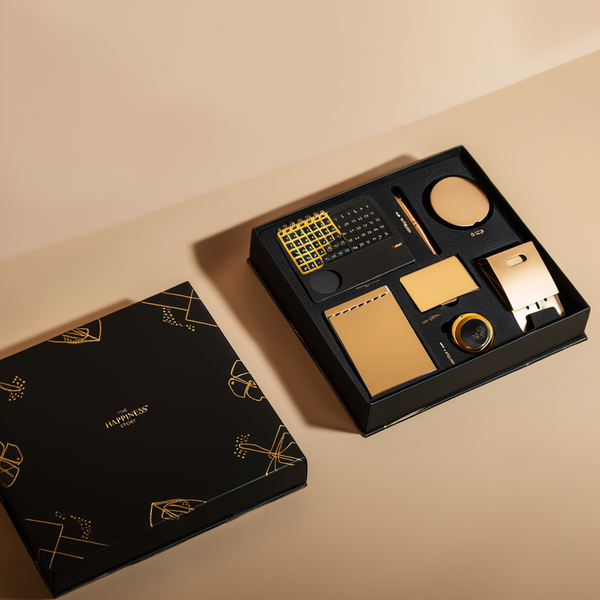
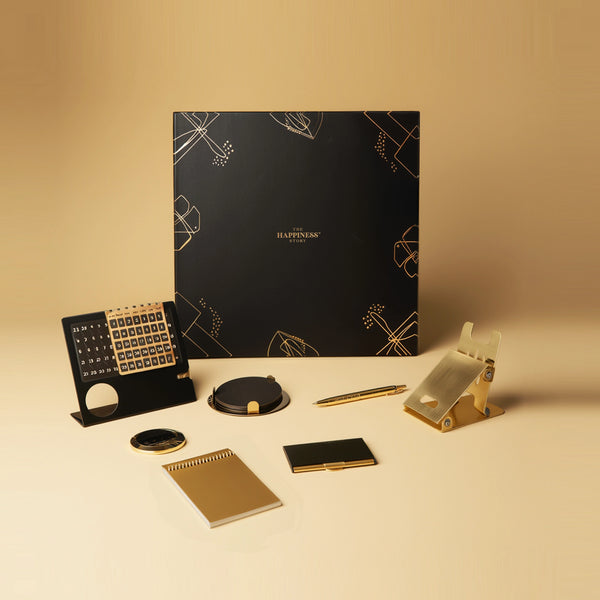

Signature Box
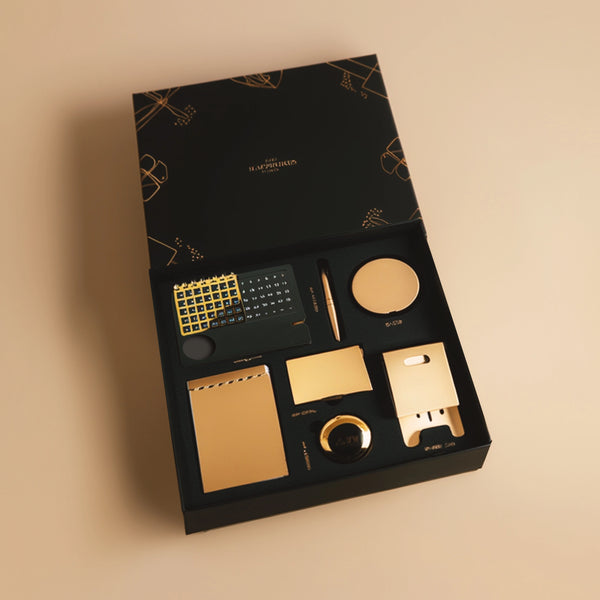
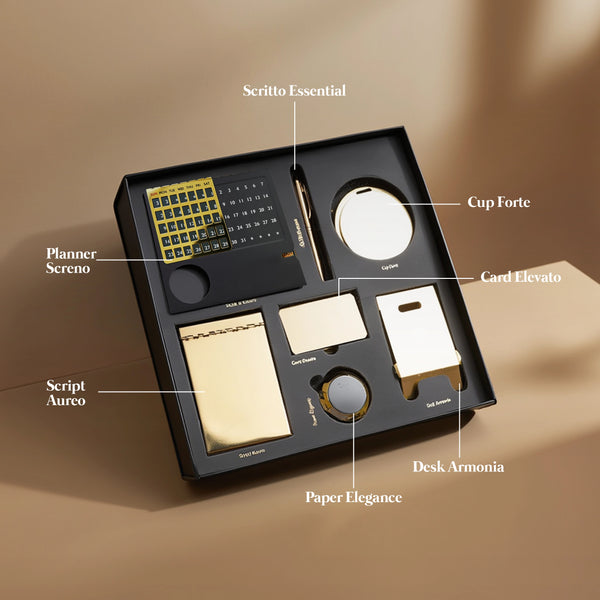
The Signature Box by The Happiness Story is a thoughtfully curated premium...
Rs. 3,999 Rs. 4,999
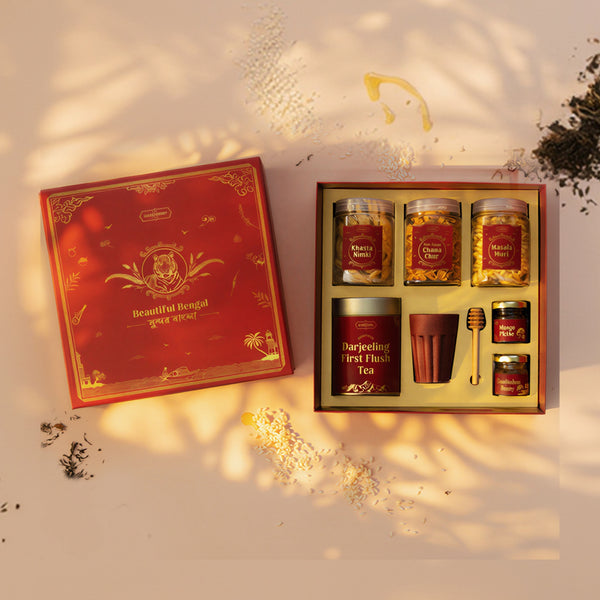
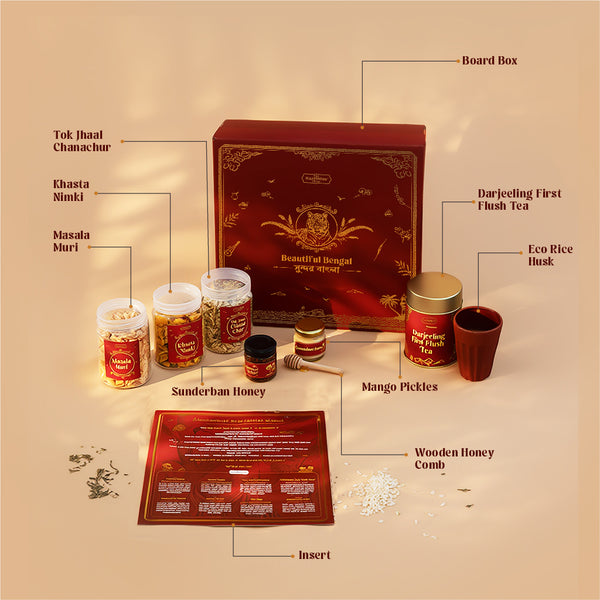
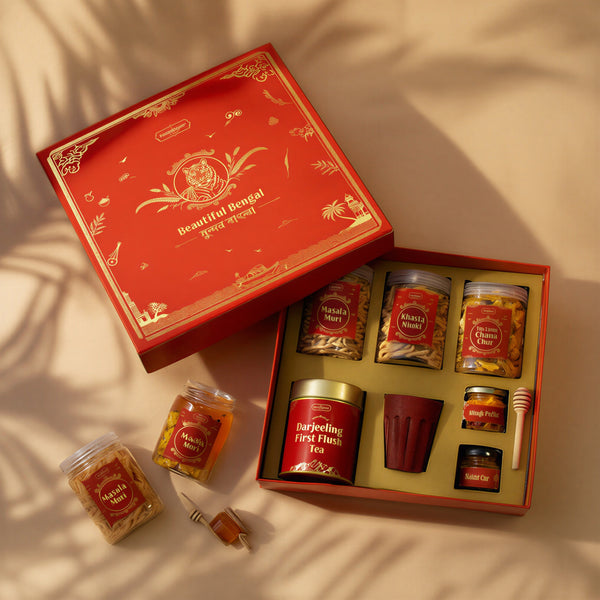

The Beautiful Bengal Box — Bengali Gift Hamper from Kolkata | Darjeeling First Flush, Sunderban Honey, Nimki, Chanachur, Aam Achar & Eco Cup
What makes The Beautiful Bengal Box different from any other gift hamper...
Rs. 999 Rs. 1,499
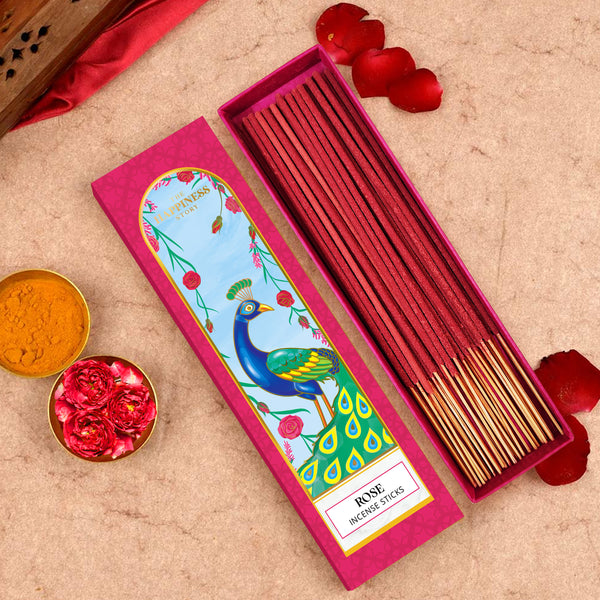
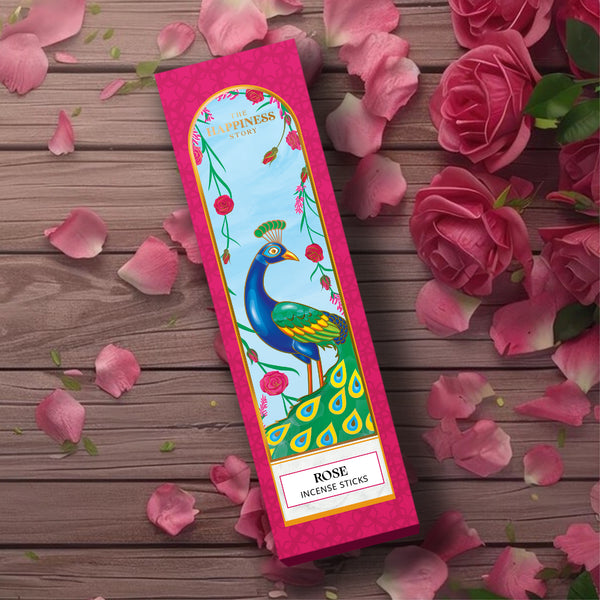
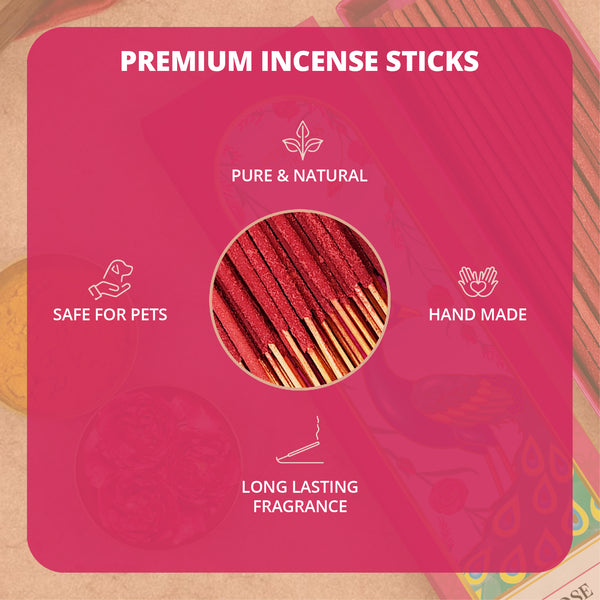


Rose Incense Sticks
Enhance your mindfulness and relaxation with our Rose Incense Sticks. Made with...
Rs. 199
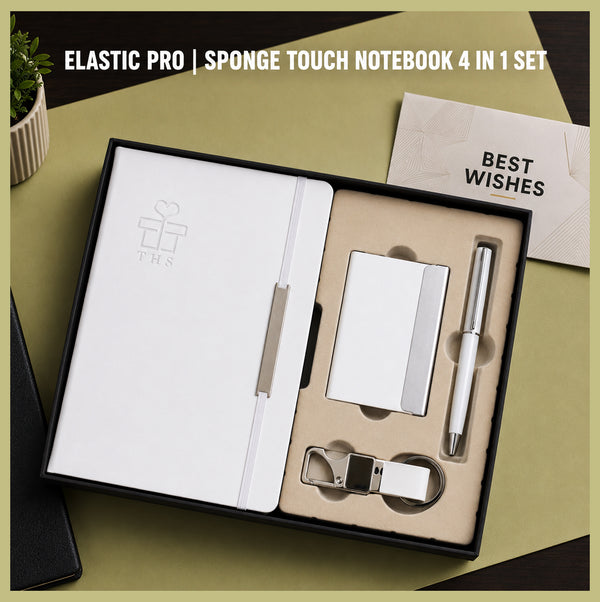
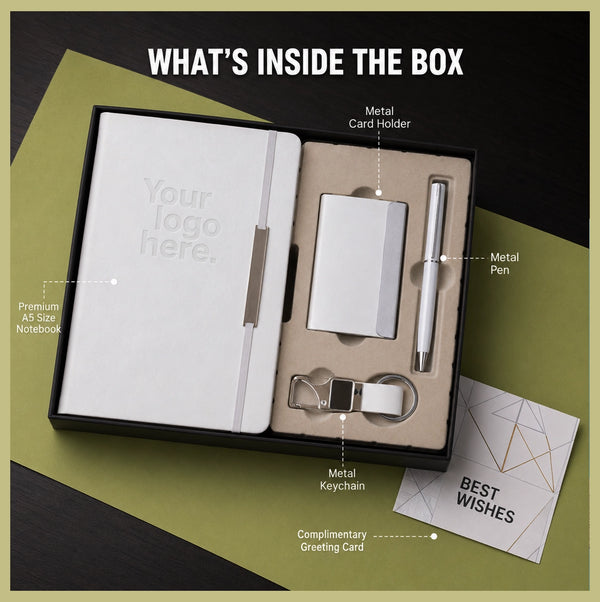
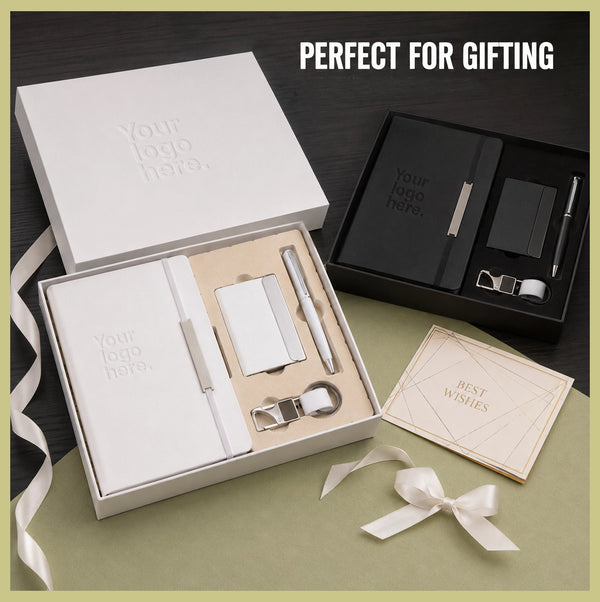
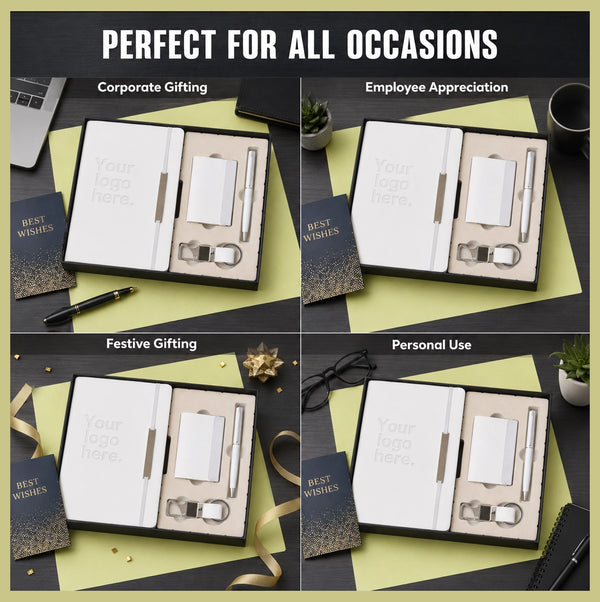

Elastic Pro — Employee Welcome Kit in 5 Colours | Sponge-Touch Notebook, Pen, Card Holder & Keychain
1. The Employee Welcome Kit That Matches Your Brand Colour Five colourways...
Rs. 1,329
Recently Viewed